Puzzle Font: A Playful Design Tool for Creative Professionals
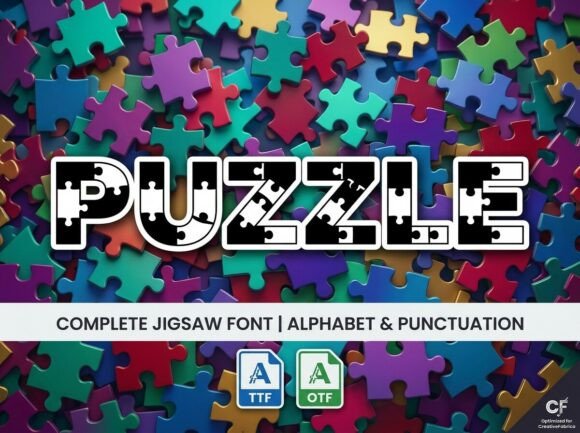
The Puzzle font is more than just a typeface—it's a visual storytelling device that transforms text into an interactive experience. Engineered with intricate jigsaw puzzle elements, this bold display typeface brings a unique sense of playfulness and logic to design work. Each letterform is meticulously crafted with ultra-thick, blocky shapes divided into interlocking tabs and slots, mimicking the structure of a traditional jigsaw puzzle. Rendered in high-contrast monochrome with a crisp outer border, Puzzle offers a tactile depth that invites engagement and curiosity.
Why Puzzle Matters in Modern Design
In today’s fast-paced digital world, standing out visually is crucial. Whether you're designing a logo, branding materials, or content for educational resources, Puzzle provides a fresh perspective that aligns with both creativity and functionality. Its distinctive design speaks to audiences who appreciate innovation, problem-solving, and thoughtful aesthetics. This font isn’t just eye-catching; it conveys a message of intelligence and fun, making it ideal for a wide range of applications.
For professionals in fields like marketing, education, and event planning, Puzzle can be a game-changer. It helps create memorable visuals that resonate with users while reinforcing brand identity through a unique typographic language.
Practical Benefits of Using Puzzle in Your Work
Puzzle offers several tangible benefits that can enhance your design workflow and outcomes:
- Enhanced Visual Engagement: The interlocking jigsaw style naturally draws attention and encourages interaction, making it perfect for headlines, banners, or call-to-action buttons.
- Professional Quality: Despite its playful nature, Puzzle maintains a level of sophistication that suits professional environments. Its clean lines and structured layout ensure readability and clarity even at larger sizes.
- Increased Creativity: Working with Puzzle can spark new ideas and approaches to design challenges. Its unique structure encourages thinking outside the box, which is especially useful for brainstorming sessions or creative projects.
- Improved Communication: By using a font that embodies logic and play, you can subtly communicate values such as teamwork, problem-solving, and innovation—key messages for community initiatives, educational programs, and corporate branding.
Who Can Benefit Most from Puzzle?
Puzzle is particularly well-suited for professionals and organizations that prioritize creativity, collaboration, and intellectual engagement. Here are some key groups that may find value in using this font:
- Community Organizations: Team-building logos and event branding can benefit from the inclusive and collaborative spirit of Puzzle.
- Educators and Publishers: Educational materials, especially those related to children's games or logic puzzles, gain a dynamic edge when designed with Puzzle.
- Marketers and Brand Strategists: The font’s unique appeal can help differentiate a brand in competitive markets, especially in sectors focused on innovation and mental stimulation.
- Event Planners: Interactive event branding, such as festival posters or conference materials, can become more engaging and memorable with Puzzle.
Real-World Use Cases and Examples
Imagine designing a promotional poster for a team-building retreat. Instead of a standard sans-serif font, using Puzzle adds a layer of meaning and visual interest that aligns with the theme of collaboration and problem-solving. Similarly, a children’s book about logic puzzles could use this font for chapter titles, instantly connecting with the target audience and reinforcing the content’s purpose.
Another example is a psychological thriller movie poster. The mysterious and intricate nature of Puzzle mirrors the genre’s themes of complexity and mystery, creating a cohesive and compelling visual narrative.
Considerations and Limitations
While Puzzle offers many advantages, it’s important to consider its suitability for different contexts. Its bold and structured appearance may not be ideal for small body text or highly detailed documents where legibility is paramount. Additionally, because of its stylized nature, it may require careful pairing with other fonts to maintain balance in a design layout.
Designers should also think about color schemes and backgrounds when using Puzzle. While it looks striking in monochrome, experimenting with contrasting colors can further highlight its texture and depth.
Conclusion
Puzzle is a powerful tool for designers looking to infuse their work with a sense of playfulness, logic, and visual intrigue. Its unique construction makes it stand out in a crowded design landscape, offering a fresh way to communicate complex ideas with simplicity and charm. Whether you're working on educational content, branding materials, or entertainment projects, Puzzle has the potential to elevate your designs and leave a lasting impression on your audience.